

Introduction
Modern cameras are remarkable pieces of technology. They can capture stunning landscapes, record high-definition videos, and preserve memories with incredible detail. Yet despite all these advances, the human eye remains one of the most sophisticated visual systems known.
Your eyes do much more than simply “take pictures.” Working together with the brain, they constantly adjust to changing light conditions, detect movement, recognize faces, perceive depth, and process vast amounts of visual information in real time. While cameras excel in certain tasks, the human visual system is uniquely adapted to help us navigate and understand the world around us.
How the Human Eye Works
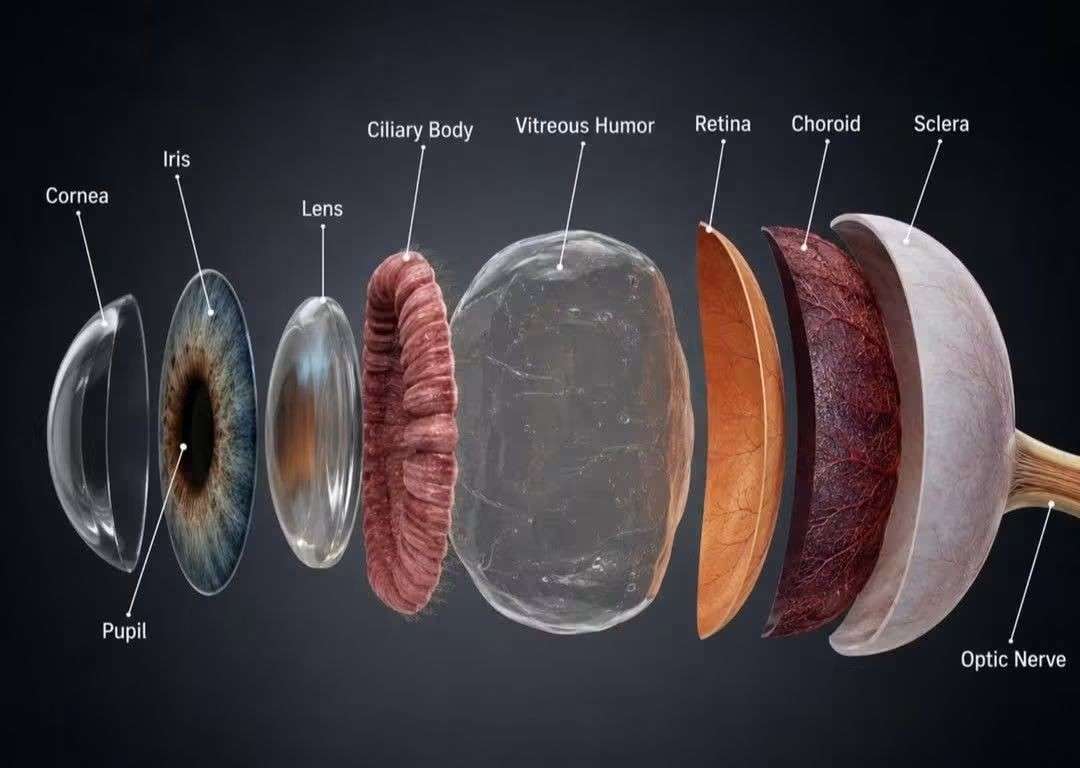
The eye functions by capturing light and converting it into electrical signals that are sent to the brain through the optic nerve. The brain then interprets these signals, creating the images we see.
Key parts of the eye include:
- Cornea: Helps focus incoming light.
- Pupil: Controls the amount of light entering the eye.
- Lens: Adjusts focus for near and distant objects.
- Retina: Contains specialized cells that detect light and color.
- Optic Nerve: Transmits visual information to the brain.
Together, these components create a highly efficient visual system capable of adapting to a wide range of environments.
Amazing Abilities of Human Vision
1. Dynamic Range Adaptation
Human eyes can function in both bright sunlight and dim moonlight. The visual system continuously adjusts to changing light conditions, helping us see across a broad range of brightness levels.
2. Color Recognition
The human eye contains millions of color-sensitive cells that allow us to distinguish a vast array of colors and shades.
3. Depth Perception
Because we have two eyes positioned slightly apart, our brains can combine information from both viewpoints to create a sense of depth and distance.
4. Motion Detection
Human vision is highly sensitive to movement, an ability that has played an important role in survival throughout human history.
5. Facial Recognition
The brain is exceptionally skilled at recognizing familiar faces, often identifying people instantly even in challenging conditions.
How Cameras Compare
Modern cameras offer several advantages:
- Extremely high-resolution images
- Zoom capabilities
- Long-exposure photography
- Infrared and specialized imaging
- Permanent image storage
However, cameras generally capture raw visual data. Human vision involves continuous processing by the brain, which helps interpret context, fill in missing information, and focus attention on what matters most.
In many ways, comparing a camera to the human visual system is difficult because the eye and brain operate as an integrated network rather than a simple recording device.
Tips for Maintaining Healthy Vision
Eat a Nutrient-Rich Diet
Foods rich in vitamins A, C, E, lutein, and omega-3 fatty acids can support overall eye health.
Protect Your Eyes from UV Rays
Wear sunglasses that block UV radiation when spending time outdoors.
Take Screen Breaks
Follow the 20-20-20 rule: every 20 minutes, look at something 20 feet away for at least 20 seconds.
Stay Hydrated
Proper hydration supports tear production and overall eye comfort.
Schedule Regular Eye Exams
Routine examinations can help detect vision problems and eye diseases early.
Conclusion
The human eye is an extraordinary biological system that works seamlessly with the brain to help us perceive and interact with the world. While modern cameras continue to improve and may surpass human vision in certain specialized tasks, the combination of the eye and brain remains remarkably sophisticated. Understanding and caring for your vision can help preserve this incredible ability for years to come.
Disclaimer
This article is for informational and educational purposes only and should not be considered medical advice. It is not intended to diagnose, treat, cure, or prevent any disease or eye condition. Always consult a qualified eye care professional, optometrist, or healthcare provider regarding concerns about your vision or eye health. Individual visual abilities and eye health conditions vary, and professional medical evaluation is essential for accurate diagnosis and treatment.