
What Science Really Says About Its Potential Cancer-Fighting Properties
Soursop (Annona muricata), also known as graviola or guanábana, is a tropical fruit popular for its sweet-tart flavor and impressive nutritional profile. In recent years, it has gained attention online because of claims that it can cure cancer or outperform chemotherapy. While laboratory research has shown some interesting results, the reality is more complex.
What Is Soursop?
Soursop is a fruit native to tropical regions of the Americas and is widely consumed fresh or in juices, smoothies, and desserts. It contains:
- Vitamin C
- Fiber
- Potassium
- Magnesium
- Antioxidants
- Plant compounds known as acetogenins
Researchers are particularly interested in acetogenins because of their biological activity in laboratory studies.
Why Has Soursop Been Linked to Cancer Research?
Some laboratory and animal studies have found that compounds extracted from soursop may slow the growth of certain cancer cells under controlled conditions.
Researchers have observed that some soursop compounds can:
- Interfere with cancer cell metabolism
- Trigger cancer cell death in laboratory settings
- Reduce tumor growth in some animal studies
These findings have generated scientific interest and encouraged further research.
Does Soursop Cure Cancer?
At present, there is no scientific evidence that soursop can cure cancer in humans.
Most of the studies frequently cited online were conducted:
- In test tubes (in vitro studies)
- In laboratory animals
- Using concentrated extracts rather than the fruit itself
Human clinical trials demonstrating that soursop can safely and effectively treat cancer are currently lacking.
Understanding the “10,000 Times Stronger Than Chemotherapy” Claim
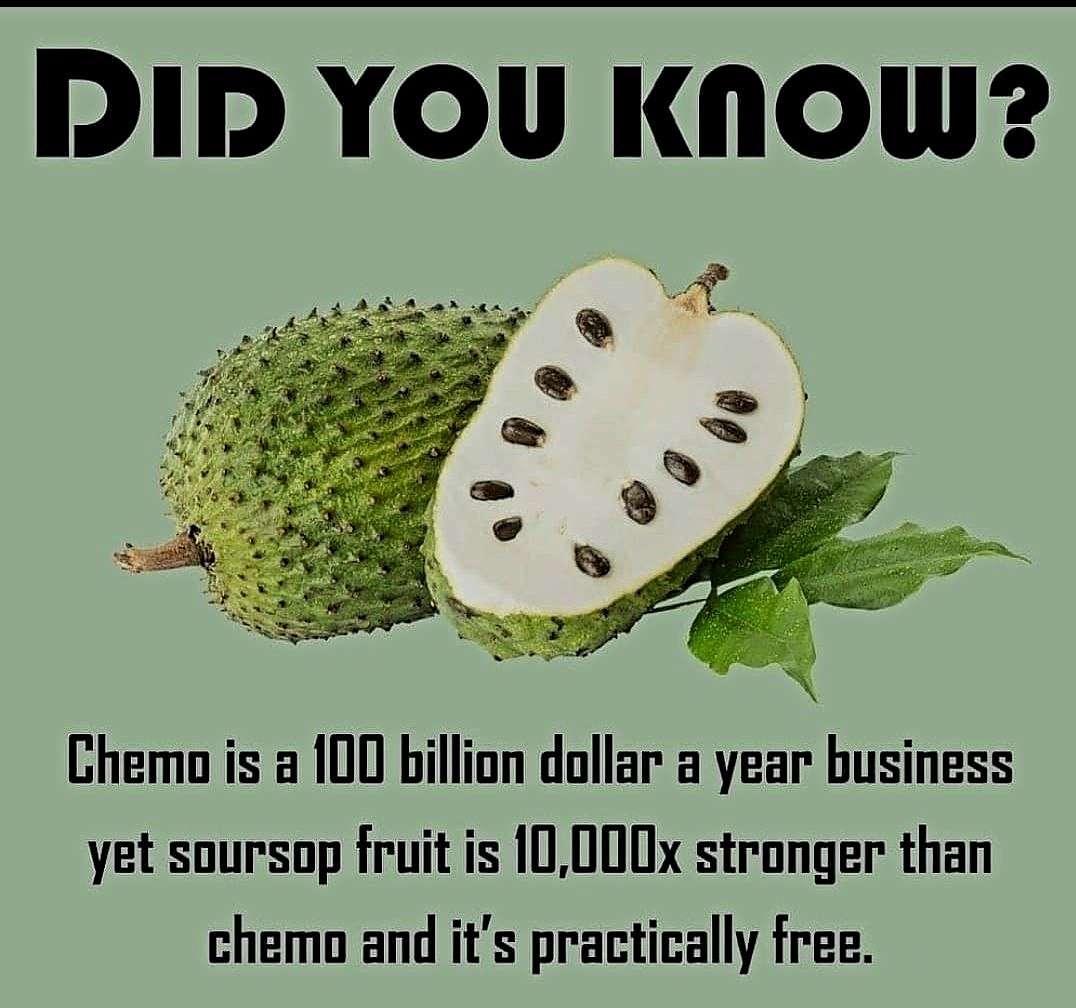
One of the most widely shared claims is that soursop is “10,000 times more effective than chemotherapy.”
This statement is often traced back to misinterpretations of laboratory research and has not been confirmed by major cancer organizations or clinical studies involving cancer patients.
Cancer treatments must undergo extensive testing to demonstrate:
- Effectiveness
- Safety
- Proper dosage
- Long-term outcomes
Soursop has not met these requirements as a proven cancer treatment.
Potential Health Benefits of Soursop
Although it is not a cancer cure, soursop may offer several nutritional benefits.
Rich in Antioxidants
Soursop contains antioxidants that help protect cells from oxidative stress.
Supports Immune Function
Its vitamin C content contributes to normal immune system function.
Provides Dietary Fiber
Fiber supports digestive health and may help maintain healthy bowel function.
Contains Important Minerals
Potassium and magnesium help support normal muscle and nerve function.
Potential Risks
Natural does not always mean risk-free.
Some studies suggest that consuming large amounts of soursop or certain concentrated extracts over long periods may be associated with nerve-related side effects due to naturally occurring compounds in the plant.
Individuals should exercise caution, especially when using supplements or extracts that are more concentrated than the fruit itself.
The Bottom Line
Soursop is a nutritious tropical fruit that contains antioxidants and other beneficial plant compounds. Laboratory studies have shown promising results that warrant further research, but there is currently no reliable evidence that soursop cures cancer or is more effective than chemotherapy in humans. It should be enjoyed as part of a balanced diet, not as a replacement for evidence-based medical treatment.
Disclaimer
This article is for informational and educational purposes only and does not constitute medical advice. Soursop (graviola or guanábana) has not been proven to cure, prevent, or treat cancer in humans. Individuals diagnosed with cancer should follow the guidance of qualified healthcare professionals and should not replace prescribed treatments with dietary supplements, herbal remedies, or alternative therapies. Always consult a healthcare provider before making significant changes to your diet or treatment plan.