
🌟 Lifestyle Practices That May Slow Aging
Disclaimer: This article is for educational purposes only. It summarizes current research and popular practices believed to support healthy aging. It is not medical advice. Always consult a qualified healthcare professional before making changes to your diet, exercise, or wellness routine.
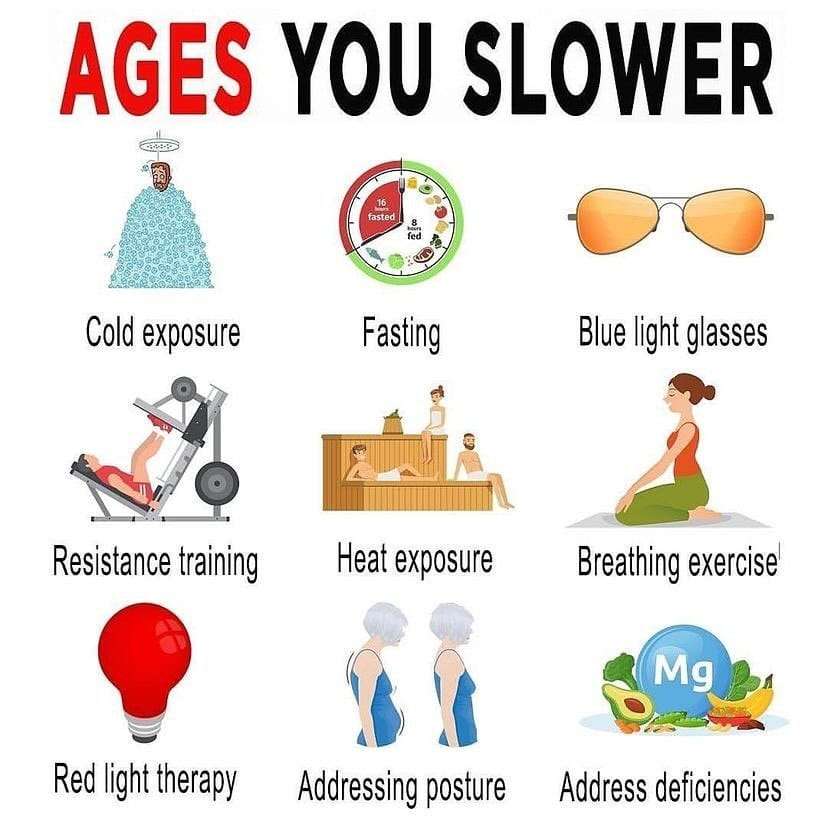
❄️ Cold Exposure
- Brief exposure to cold (ice baths, cold showers) may stimulate circulation, reduce inflammation, and activate brown fat metabolism, which supports energy balance.
- Studies suggest it can improve resilience and stress tolerance, though long-term effects on aging remain under investigation.
⏳ Fasting
- Intermittent fasting (e.g., 16 hours fasted, 8 hours fed) promotes autophagy, a cellular “cleanup” process linked to longevity.
- Evidence shows fasting may improve insulin sensitivity, reduce inflammation, and support metabolic health.
👓 Blue Light Glasses
- Filtering blue light from screens may protect circadian rhythms and reduce eye strain.
- Better sleep quality is associated with healthier aging, though more research is needed on direct anti-aging effects.
🏋️ Resistance Training
- Strength training preserves muscle mass and bone density, both of which decline with age.
- Regular resistance exercise reduces risk of frailty, improves metabolism, and supports cardiovascular health.
🔥 Heat Exposure
- Sauna use and heat therapy improve circulation, reduce blood pressure, and may mimic exercise effects on the heart.
- Studies link sauna bathing to lower risk of cardiovascular disease and improved longevity.
🌬️ Breathing Exercises
- Practices like deep breathing or meditation reduce stress hormones and improve oxygenation.
- Chronic stress accelerates aging; relaxation techniques may help slow this process.
💡 Red Light Therapy
- Red and near-infrared light may stimulate mitochondrial function, improving energy production in cells.
- Early studies suggest benefits for skin health, wound healing, and inflammation reduction.
🧍 Addressing Posture
- Good posture reduces strain on joints, muscles, and the spine.
- Preventing chronic pain and maintaining mobility supports independence and quality of life as we age.
🥦 Addressing Deficiencies
- Correcting nutrient deficiencies (e.g., magnesium, vitamin D, omega-3s) is essential for cellular health.
- Balanced nutrition supports immunity, energy, and long-term organ function.
✅ Key Takeaway
Healthy aging is not about one “magic” practice but a combination of lifestyle habits: movement, nutrition, stress management, and recovery. Cold and heat exposure, fasting, resistance training, and proper nutrition all show promise, but consistency and balance matter most.