

Moringa is often called a “miracle tree” — and for good reason. The amazing health benefits of moringa can positively impact your body from head to toe. This extraordinary plant has been traditionally used for centuries to help manage symptoms related to hair loss, joint pain, inflammation, fatigue, and even certain chronic diseases.
What makes moringa truly unique is that almost every part of the plant — roots, leaves, flowers, pods, and seeds — has medicinal or nutritional value. Today, modern science is beginning to confirm many of the traditional claims about moringa’s powerful health properties.
In this article, we’ll explore 6 scientifically supported health benefits of moringa, how it works in the body, and why it deserves a place in your daily wellness routine.

What Is Moringa?
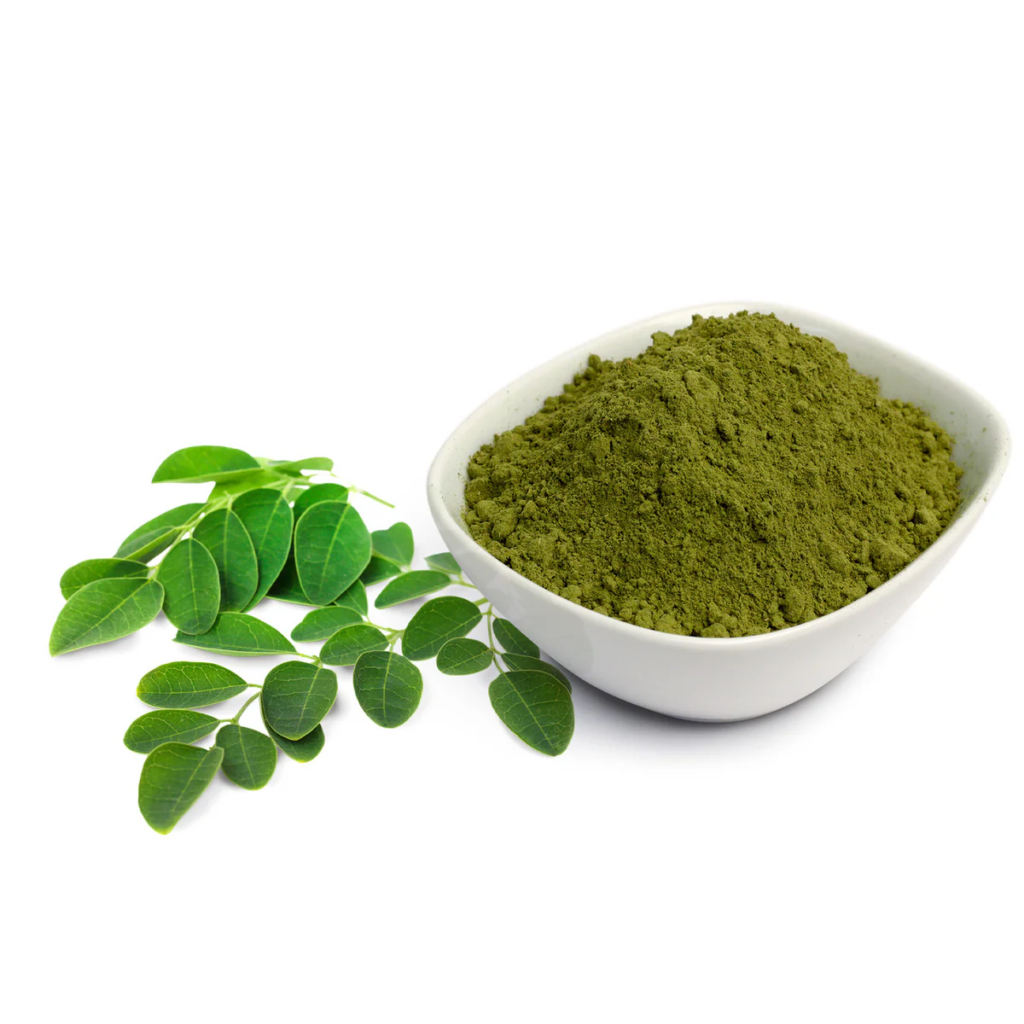
Moringa (Moringa oleifera) is a fast-growing tree native to parts of Africa and Asia. It has been used in Ayurvedic and traditional medicine for thousands of years. The leaves are most commonly consumed in powder or capsule form, while seeds are used for oil and water purification.
Moringa is rich in:
- Antioxidants
- Vitamins A, C, and E
- Calcium and potassium
- Iron
- Plant protein
- Bioactive plant compounds
Scientists are still uncovering its full potential, but research already supports several impressive benefits.
1. Moringa Is Extremely Nutritious
One of the most impressive benefits of moringa is its exceptional nutritional profile.
Moringa leaves are packed with:
- Vitamin C – Supports immune function
- Vitamin A – Promotes healthy vision and skin
- Calcium – Essential for bone strength
- Iron – Helps prevent anemia
- Protein – Contains all essential amino acids
In many developing regions, moringa is used to combat malnutrition because it provides concentrated nutrients in small servings.
Why This Matters
Nutrient deficiencies can lead to fatigue, weakened immunity, hair loss, and poor skin health. Adding moringa to your diet may help support overall vitality and energy levels.
2. Moringa Is Rich in Antioxidants
Antioxidants are compounds that protect your cells from damage caused by free radicals. Oxidative stress contributes to aging and chronic diseases such as heart disease and diabetes.
Moringa contains powerful antioxidants including:
- Quercetin
- Chlorogenic acid
- Beta-carotene
- Vitamin C
These compounds help neutralize harmful molecules in the body.
Benefits of Antioxidants:
- Slows aging processes
- Protects heart health
- Supports immune function
- May reduce risk of chronic disease
Regular consumption of antioxidant-rich foods like moringa may help reduce long-term inflammation and cellular damage.
3. Moringa May Lower Blood Sugar Levels
High blood sugar levels can increase the risk of diabetes and metabolic syndrome. Some studies suggest that moringa may help regulate blood glucose levels.
Research indicates that plant compounds such as isothiocyanates in moringa may:
- Improve insulin sensitivity
- Reduce fasting blood sugar
- Lower post-meal blood glucose spikes
Why This Is Important
Maintaining stable blood sugar levels helps:
- Prevent type 2 diabetes
- Reduce cravings
- Improve energy stability
- Protect cardiovascular health
While moringa shows promise, it should not replace prescribed diabetes medication. Always consult a healthcare provider before making changes.
4. Moringa May Reduce Inflammation
Chronic inflammation is linked to many diseases, including arthritis, heart disease, and autoimmune conditions.
Moringa contains natural anti-inflammatory compounds that may help:
- Reduce joint pain
- Ease swelling
- Support muscle recovery
- Protect against long-term inflammatory damage
Traditional medicine has long used moringa to relieve joint pain and stiffness — and emerging research supports its anti-inflammatory effects.
5. Moringa Can Help Lower Cholesterol
High cholesterol increases the risk of heart disease and stroke. Some studies suggest moringa may help reduce LDL (bad) cholesterol levels.
Moringa’s plant compounds may:
- Lower LDL cholesterol
- Improve overall lipid profiles
- Support heart health
Similar to foods like oats and flaxseeds, moringa may help reduce cholesterol naturally when combined with a healthy diet and lifestyle.
6. Moringa May Protect Against Arsenic Toxicity
Arsenic contamination in water and food is a serious issue in some parts of the world. Animal studies suggest that moringa leaves and seeds may help reduce the effects of arsenic toxicity.
Preliminary research shows moringa may:
- Protect organs from toxin-related damage
- Reduce oxidative stress caused by heavy metals
- Support liver detoxification processes
While more human research is needed, these findings highlight moringa’s potential protective benefits.
Additional Potential Benefits of Moringa
Beyond the six proven benefits, moringa has traditionally been used for:
- Supporting hair growth
- Improving skin health
- Boosting immune function
- Enhancing energy levels
- Supporting digestive health
However, more clinical studies are needed to confirm these uses.

How to Use Moringa
Moringa is available in several forms:
- Powder (can be added to smoothies, soups, or teas)
- Capsules
- Fresh leaves
- Moringa oil
- Seeds
Recommended Usage
There is no universally established dosage, but many studies use small daily amounts of leaf powder. Start with small servings and monitor how your body responds.
Are There Any Side Effects?
Moringa is generally considered safe when consumed in moderate amounts. However:
- Pregnant women should avoid moringa root and bark.
- High doses may cause digestive upset.
- It may interact with blood pressure or diabetes medications.
Always consult a healthcare professional before beginning supplementation.
Final Thoughts: Is Moringa Worth Adding to Your Diet?
The amazing health benefits of moringa are supported by both traditional use and emerging scientific research. From its powerful antioxidant properties to its potential to regulate blood sugar and cholesterol, moringa stands out as one of the most nutrient-dense plants on the planet.
While it’s not a miracle cure, adding moringa to a balanced diet may support your overall health and wellness journey.
If you’re looking for a natural way to boost nutrition, reduce inflammation, and protect your body from oxidative stress, moringa might be the powerful superfood you’ve been missing.
Leave a Reply