
The kitchen is often called the heart of the home, but it’s also one of the places where we come into contact with a variety of cleaning products, food packaging materials, and cooking tools that may contain chemicals we would rather avoid. While it’s impossible to eliminate every chemical from daily life, making a few thoughtful changes can help reduce unnecessary exposure and create a cleaner, healthier kitchen environment.
The good news is that you don’t need to overhaul your entire kitchen overnight. Small, practical swaps can make a meaningful difference over time.
Why Consider Reducing Chemical Exposure?
Many household products contain ingredients that can irritate the skin, eyes, or respiratory system. Additionally, some food storage containers and cookware may contain substances that people choose to limit as a precaution.
Reducing exposure isn’t about fear—it’s about making informed choices and using products that align with your preferences and lifestyle.
1. Switch to Simpler Cleaning Products
Many conventional cleaners contain fragrances, dyes, and other ingredients that may trigger sensitivities in some individuals.
Consider alternatives such as:
- Unscented cleaning products
- Plant-based cleaners
- Vinegar and water solutions for certain surfaces
- Baking soda for scrubbing sinks and stovetops
Always follow manufacturer recommendations and never mix cleaning products unless specifically instructed.
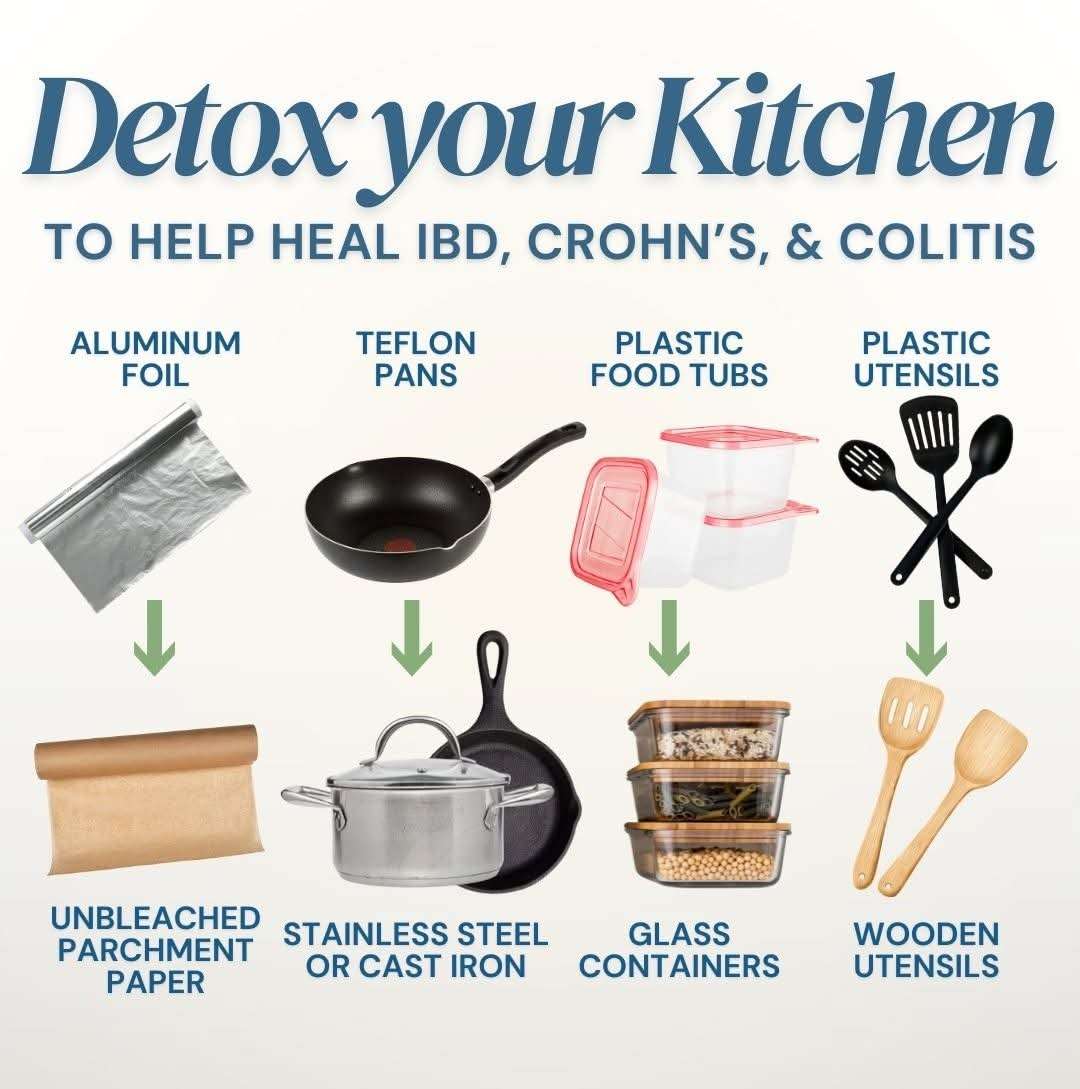
2. Replace Worn Plastic Food Containers
Old or damaged plastic containers can become scratched and harder to clean.
Alternative options include:
- Glass storage containers
- Stainless steel food containers
- Ceramic storage solutions
These materials are durable and can often be reused for many years.
3. Use Glass for Food Storage When Possible
Glass containers are popular because they:
- Do not absorb food odors easily
- Are easy to clean
- Can often be used for refrigeration and reheating
- Allow you to see contents at a glance
Switching gradually can make the transition more affordable.
4. Evaluate Your Cookware
Cookware wears down over time regardless of material.
When replacing cookware, some people choose:
- Stainless steel
- Cast iron
- Enameled cast iron
- High-quality ceramic-coated cookware
The best choice depends on your cooking style, maintenance preferences, and budget.
5. Reduce Single-Use Food Packaging
Highly processed and packaged foods often come with multiple layers of packaging.
Simple strategies include:
- Buying fresh produce
- Purchasing ingredients in bulk when practical
- Using reusable shopping bags
- Storing food in reusable containers
These habits may reduce waste while simplifying your kitchen routine.
6. Improve Kitchen Ventilation
Cooking can release smoke, grease particles, and airborne pollutants.
Helpful practices include:
- Using a range hood when cooking
- Opening windows when possible
- Cleaning ventilation filters regularly
- Avoiding excessive overheating of oils
Good airflow contributes to a more comfortable cooking environment.
7. Choose Fragrance-Free Options When Needed
Artificial fragrances can be irritating for some people.
You may wish to consider:
- Fragrance-free dish soap
- Unscented cleaning sprays
- Fragrance-free laundry products used for kitchen linens
Individuals vary in their sensitivity, so choose what works best for your household.
8. Store Food Properly
Proper food storage not only helps maintain freshness but can also reduce food waste.
Tips include:
- Keeping dry goods in sealed containers
- Refrigerating perishable foods promptly
- Labeling leftovers with dates
- Following food safety guidelines
A well-organized kitchen often supports healthier eating habits.
9. Read Product Labels
Understanding what you’re bringing into your home can help you make informed decisions.
When shopping, consider:
- Reading ingredient lists
- Following usage instructions
- Looking for products that meet your personal preferences
- Researching products from reputable manufacturers
Knowledge is one of the simplest tools for making confident choices.
10. Make Changes Gradually
There’s no need to replace everything at once.
A practical approach is to:
- Replace items as they wear out.
- Prioritize products you use most often.
- Focus on changes that fit your budget.
- Build sustainable habits over time.
Small improvements are often easier to maintain than major overhauls.
Conclusion
Creating a kitchen with fewer harsh chemicals doesn’t require perfection or expensive renovations. By making simple swaps—such as choosing gentler cleaners, upgrading food storage containers, improving ventilation, and being mindful of product choices—you can gradually create a kitchen environment that feels cleaner, more comfortable, and better aligned with your health and sustainability goals. Remember that lasting change often starts with small, manageable steps.
Disclaimer
This article is for educational and informational purposes only and is not intended as medical, environmental, or professional safety advice. The presence of a chemical does not automatically mean a product is unsafe, and risk depends on factors such as exposure level, frequency of use, and individual sensitivity. Always follow manufacturer instructions, food safety guidelines, and local regulations when using cleaning products, cookware, or food storage containers. If you have specific health concerns, allergies, respiratory conditions, or questions about chemical exposure, consult a qualified healthcare professional or relevant expert.