

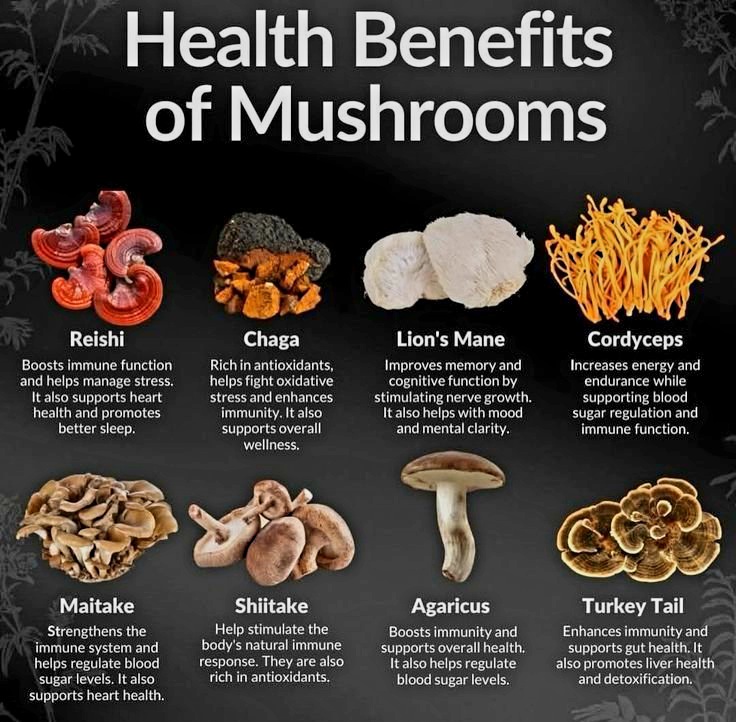
Mushrooms have long been valued not just for their rich, earthy flavor, but also for their impressive nutritional profile. Whether added to soups, stir-fries, or salads, Mushrooms offer a powerful combination of vitamins, minerals, and bioactive compounds that support overall health. Let’s explore why mushrooms deserve a regular spot in your diet.
1. Packed with Essential Nutrients
Mushrooms are low in calories yet rich in nutrients. They provide important vitamins like B-complex (riboflavin, niacin, and pantothenic acid), which help convert food into energy and support brain function. They also contain minerals such as selenium, copper, and potassium—key players in maintaining a healthy body.
2. Boost the Immune System
Certain varieties of mushrooms contain compounds like beta-glucans, which are known to support immune health. These natural substances help activate immune cells, making your body more effective at fighting infections and illnesses.
3. Rich in Antioxidants
Mushrooms are loaded with antioxidants, including ergothioneine and glutathione. These compounds help protect cells from damage caused by free radicals, reducing the risk of chronic diseases and slowing down signs of aging.
4. Support Heart Health
Regular consumption of mushrooms may help maintain heart health. They are naturally cholesterol-free and low in sodium, while potassium helps regulate blood pressure. Some mushrooms can also help lower LDL (bad) cholesterol levels.
5. Aid in Weight Management
If you’re looking to maintain or lose weight, mushrooms are an excellent addition to your meals. Their low calorie content combined with a satisfying texture makes them a great substitute for higher-calorie ingredients like meat in certain dishes.
6. May Help Regulate Blood Sugar
Mushrooms have a low glycemic index, meaning they don’t cause rapid spikes in blood sugar levels. This makes them a smart choice for people managing conditions like Type 2 Diabetes or anyone aiming for balanced energy levels throughout the day.
7. Promote Brain Health
Some mushroom varieties, such as Lion’s Mane Mushroom, are being studied for their potential to support brain function and nerve health. Early research suggests they may help improve memory and cognitive performance.
8. Natural Source of Vitamin D
When exposed to sunlight or UV light, mushrooms can produce vitamin D—an essential nutrient for bone health and immune support. This makes them one of the few plant-based sources of this important vitamin.
Final Thoughts
Mushrooms are more than just a tasty ingredient—they’re a nutritional powerhouse. From boosting immunity to supporting heart and brain health, adding mushrooms to your meals is a simple and effective way to improve your overall well-being.
Whether you enjoy them sautéed, grilled, or blended into your favorite recipes, mushrooms are a small food with big benefits.


Thank you
I like