
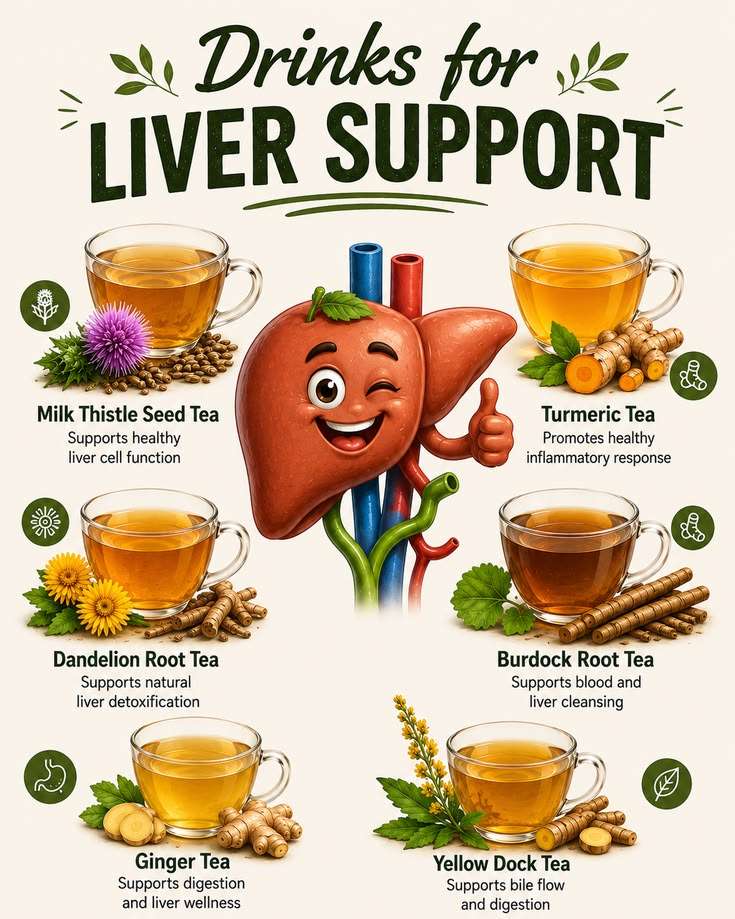
The best drinks for liver support are coffee, green tea, beetroot juice, lemon water, and plain water — all backed by scientific evidence for reducing liver stress, inflammation, and fat buildup. However, no single drink can “detox” the liver; instead, these beverages help support its natural functions when combined with a healthy lifestyle.
🍹 Top Drinks for Liver Support
| Drink | Key Benefits | Recommended Intake |
|---|---|---|
| Coffee | Reduces liver inflammation, lowers enzyme levels, protects against fibrosis, cirrhosis, and liver cancer. Benefits from chlorogenic acids and polyphenols. | 2–4 cups daily (filtered coffee preferred) |
| Green Tea | Rich in catechins (EGCG), reduces liver fat, improves antioxidant activity, lowers AST/ALT markers. | 2–3 cups unsweetened daily |
| Beetroot Juice | Contains betalains that boost detox enzymes, reduce oxidative stress, and support circulation. | 1 small glass (100–150 ml) daily |
| Warm Lemon Water | Provides vitamin C and d-limonene, supports detox enzyme activity, aids hydration. | 1 cup in the morning |
| Plain Water | Essential for bile production and toxin elimination; prevents dehydration-related liver stress. | 6–8 glasses daily |
🚫 Drinks to Avoid
- Alcohol: Major cause of liver damage, cirrhosis, and cancer.
- Sugary sodas & juices: Excess fructose contributes to fatty liver disease.
- Energy drinks: High caffeine and additives can stress the liver.
🔑 Lifestyle Notes
- Hydration is fundamental: Water supports bile production and toxin removal.
- Balanced diet: Pair liver-supportive drinks with whole foods rich in antioxidants, lean proteins, and fiber.
- Exercise: Regular physical activity reduces fat accumulation in the liver.
- Avoid “detox” gimmicks: No drink can cleanse the liver overnight; consistent habits matter most.
⚠️ Medical Disclaimer
This information is for educational purposes only. While coffee, green tea, beetroot juice, lemon water, and hydration can support liver health, they are not a substitute for medical treatment. If you have liver disease, elevated liver enzymes, or related health concerns, consult a qualified healthcare professional before making dietary changes.