
🍑 Boost Your Iron Naturally with Apricots
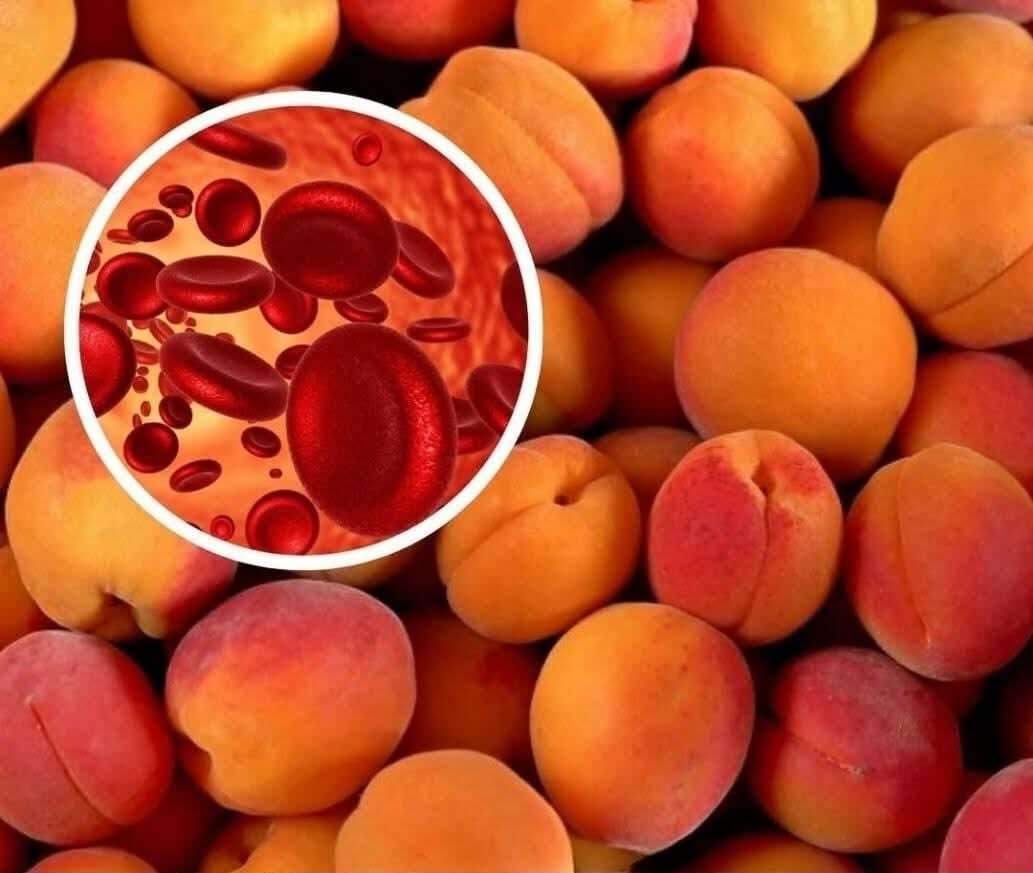
Apricots are more than just a sweet summer fruit — they’re a gentle, natural way to support your iron intake and overall blood health. Whether fresh or dried, apricots can help contribute to daily iron needs, especially for those looking to prevent or manage anemia.
🌟 Nutritional Benefits of Apricots
- Iron content: Dried apricots contain about 2 mg of iron per 100 g, making them a useful plant-based source.
- Vitamin C synergy: Pairing apricots with citrus fruits or berries enhances iron absorption.
- Fiber boost: Supports digestion and gut health.
- Antioxidants: Rich in beta-carotene and polyphenols that protect cells from damage.
🥗 Easy Ways to Add Apricots to Your Diet
- Snacks: Mix dried apricots with nuts and seeds for a portable iron-rich trail mix.
- Smoothies: Blend fresh apricots with oranges or strawberries for a vitamin C–enhanced drink.
- Salads: Toss chopped apricots into spinach or kale salads for a double iron boost.
- Breakfast bowls: Use apricots as a topping for oatmeal, yogurt, or chia pudding.
- Savory dishes: Add dried apricots to couscous, rice pilafs, or tagines for a sweet-savory balance.
⚠️ Tips & Considerations
- Plant-based iron (non-heme) is less easily absorbed than animal sources, so combining apricots with vitamin C–rich foods is key.
- Moderation matters: Dried apricots are calorie-dense and can be high in natural sugars.
- Deficiency risks: People with heavy menstrual cycles, vegetarians, vegans, and those with certain digestive conditions may need extra iron.
- Excess iron: Too much iron can be harmful, leading to organ damage. Balance is essential.
✅ Recommended Daily Iron Intake
- Men: ~8 mg/day
- Women (ages 19–50): ~18 mg/day
- Pregnant women: ~27 mg/day
- Postmenopausal women: ~8 mg/day
📌 Disclaimer
This article is for educational purposes only. It is not a substitute for professional medical advice, diagnosis, or treatment. Always consult a qualified healthcare provider before making dietary changes or taking supplements, especially if you suspect anemia or have underlying health conditions.