
Living a healthy lifestyle means building consistent habits around nutrition, movement, sleep, and stress management. Research shows these choices can prevent up to 80% of heart disease and 90% of type 2 diabetes, while also improving energy, mood, and longevity.
🌱 Core Healthy Lifestyle Tips
1. Balanced Nutrition
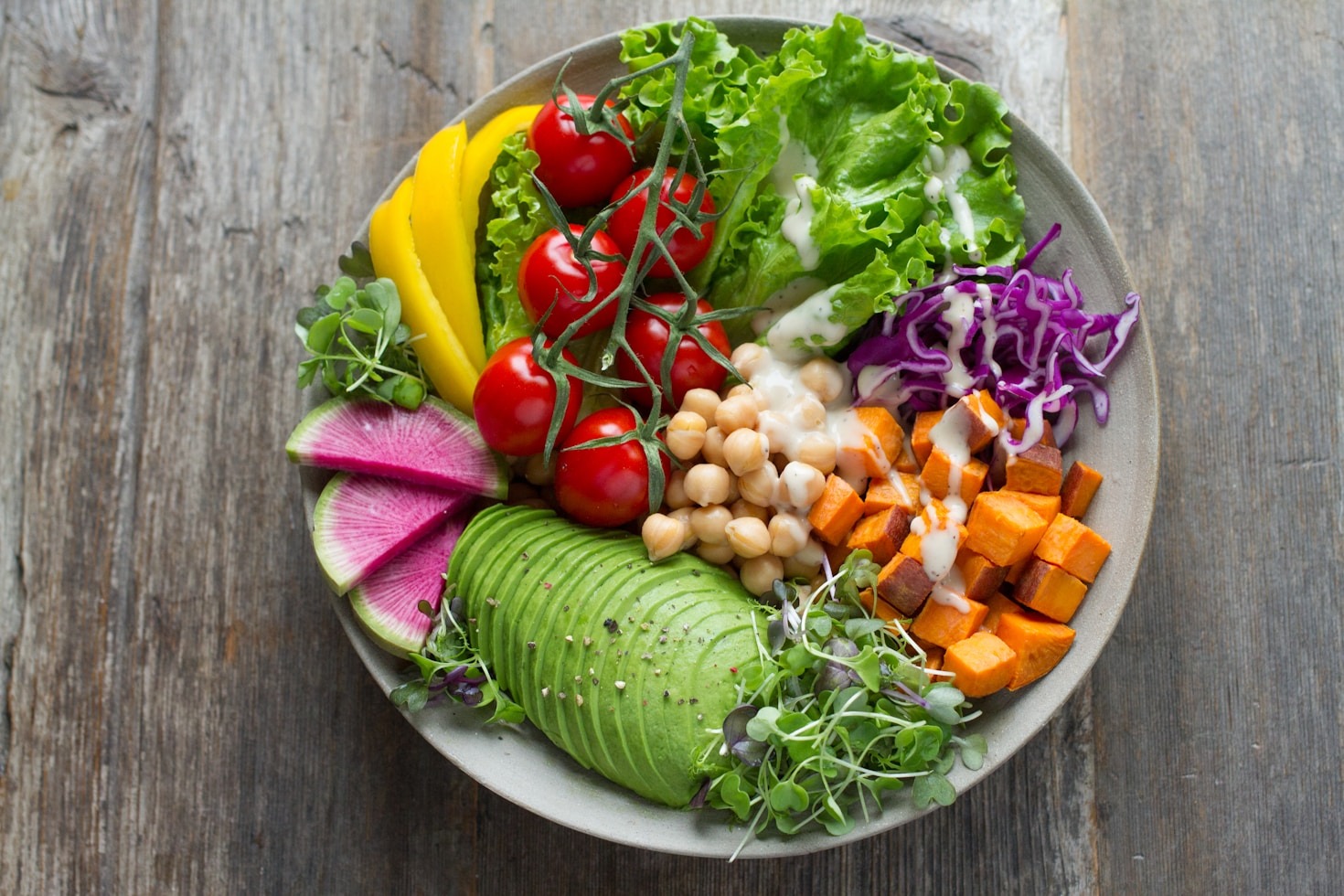
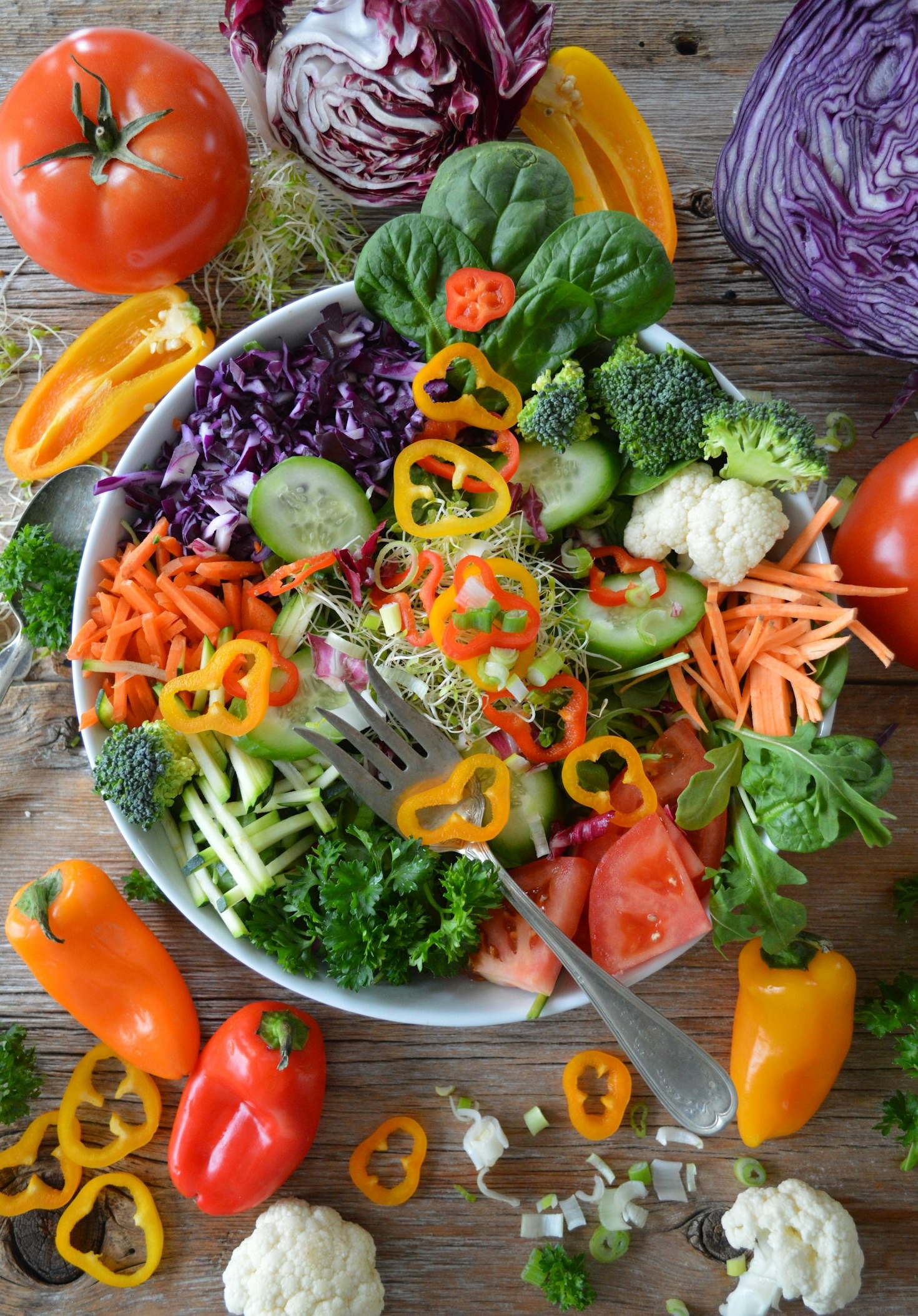
- Eat 5+ servings of fruits and vegetables daily.
- Include whole grains, legumes, nuts, and seeds.
- Limit salt (<1 tsp/day) and added sugars (<50g/day).
- Choose healthy fats (olive oil, avocado, fish) over saturated/trans fats.
2. Hydration
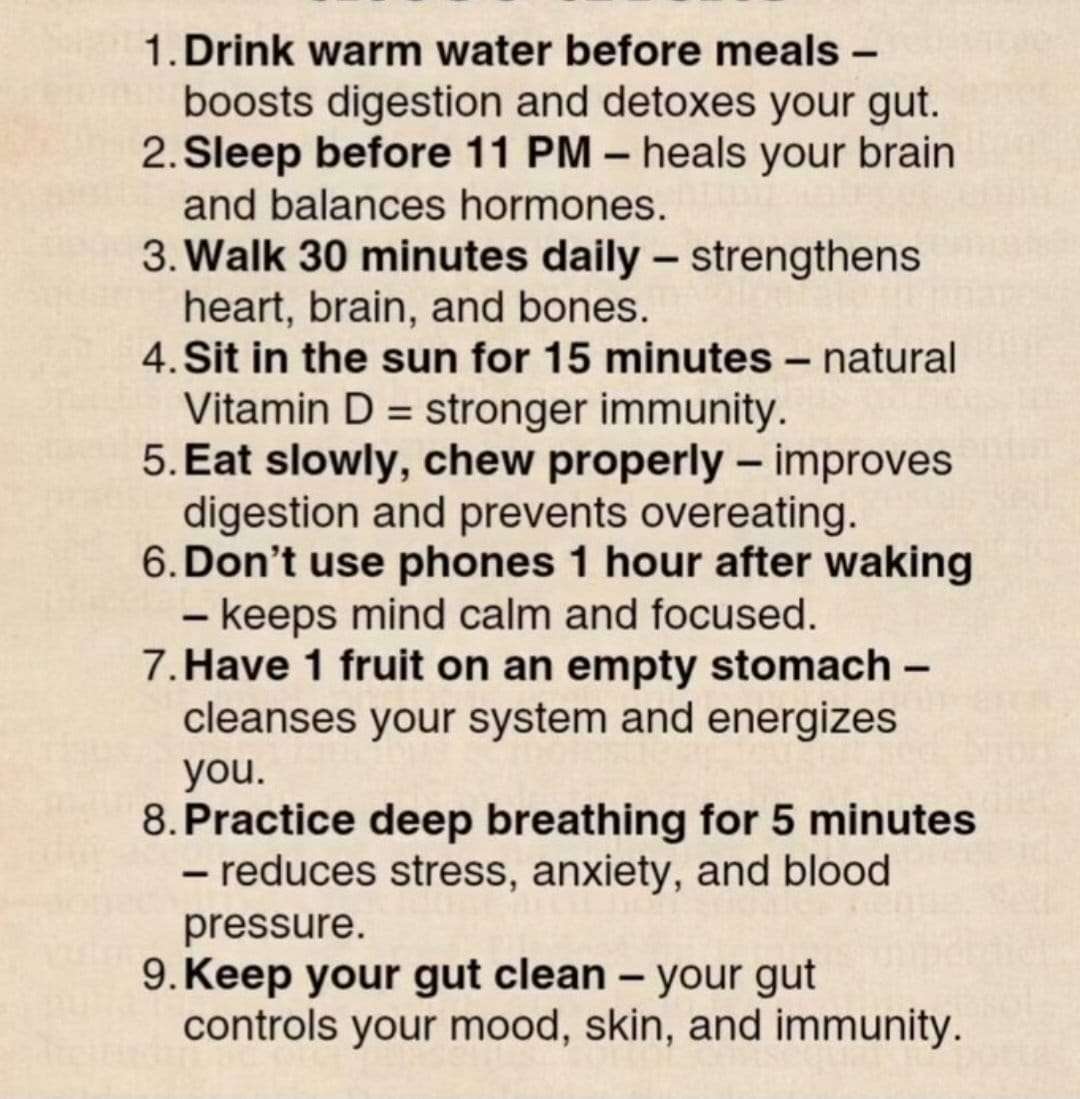
- Aim for 2–3 liters of water daily.
- Start the morning with a glass of water and drink with meals.
- Proper hydration supports digestion, brain function, and energy.
3. Regular Physical Activity
- At least 150 minutes of moderate exercise per week (walking, swimming, cycling).
- Strength training twice weekly for muscle and bone health.
- Even short sessions improve mood and reduce anxiety.
4. Quality Sleep
- Adults need 7–9 hours nightly.
- Poor sleep increases risk of obesity, diabetes, heart disease, and depression.
- Maintain a consistent bedtime routine.
5. Stress Management
- Practice mindfulness, meditation, or deep breathing.
- Build strong social connections—linked to longer life expectancy.
- Take short naps or breaks to recharge.
6. Preventive Care
- Apply sunscreen (SPF 30+) daily to protect skin.
- Floss and maintain oral hygiene.
- Schedule routine medical checkups.
📊 Quick Reference Table
| Pillar | Recommendation | Key Benefit |
|---|---|---|
| Nutrition | 5+ servings fruits/veg daily | Reduces chronic disease risk |
| Hydration | 2–3 L water/day | Energy, digestion, brain function |
| Exercise | 150 min/week moderate activity | Heart health, weight management |
| Sleep | 7–9 hrs/night | Immune support, mental health |
| Stress Management | Mindfulness, social connections | Lower anxiety, longer life |
| Preventive Care | Sunscreen, floss, checkups | Cancer prevention, oral health |
⚠️ Disclaimer
This article is for general informational purposes only and is not a substitute for professional medical advice, diagnosis, or treatment. Always consult a qualified healthcare provider before making significant changes to your diet, exercise routine, or lifestyle, especially if you have existing medical conditions.