
Here are evidence-backed drinks you can take daily on an empty stomach to support cholesterol and vascular health:
| Drink | Key Benefits | Best Way to Consume |
|---|---|---|
| Pomegranate Juice | Rich in polyphenols; clinical studies show reduced artery wall thickness over time | 1 glass (100% juice, no added sugar) |
| Green Tea | Catechins lower LDL (“bad” cholesterol), reduce inflammation, improve vessel flexibility | 1–2 cups freshly brewed |
| Oat Milk | Contains beta-glucan fiber that binds cholesterol and prevents absorption | 1 glass daily |
| Beetroot Juice | Betanin pigments and nitrates improve blood flow, lower LDL, raise HDL | 1 small glass (unsweetened) |
| Soy Milk | Plant protein lowers LDL and may raise HDL | 1 glass daily |
| Tomato Juice | Lycopene reduces LDL oxidation and supports heart health | 1 glass, low-sodium preferred |
⚠️ Important Health Disclaimer
- No natural remedy can replace prescribed cholesterol-lowering medication (like statins).
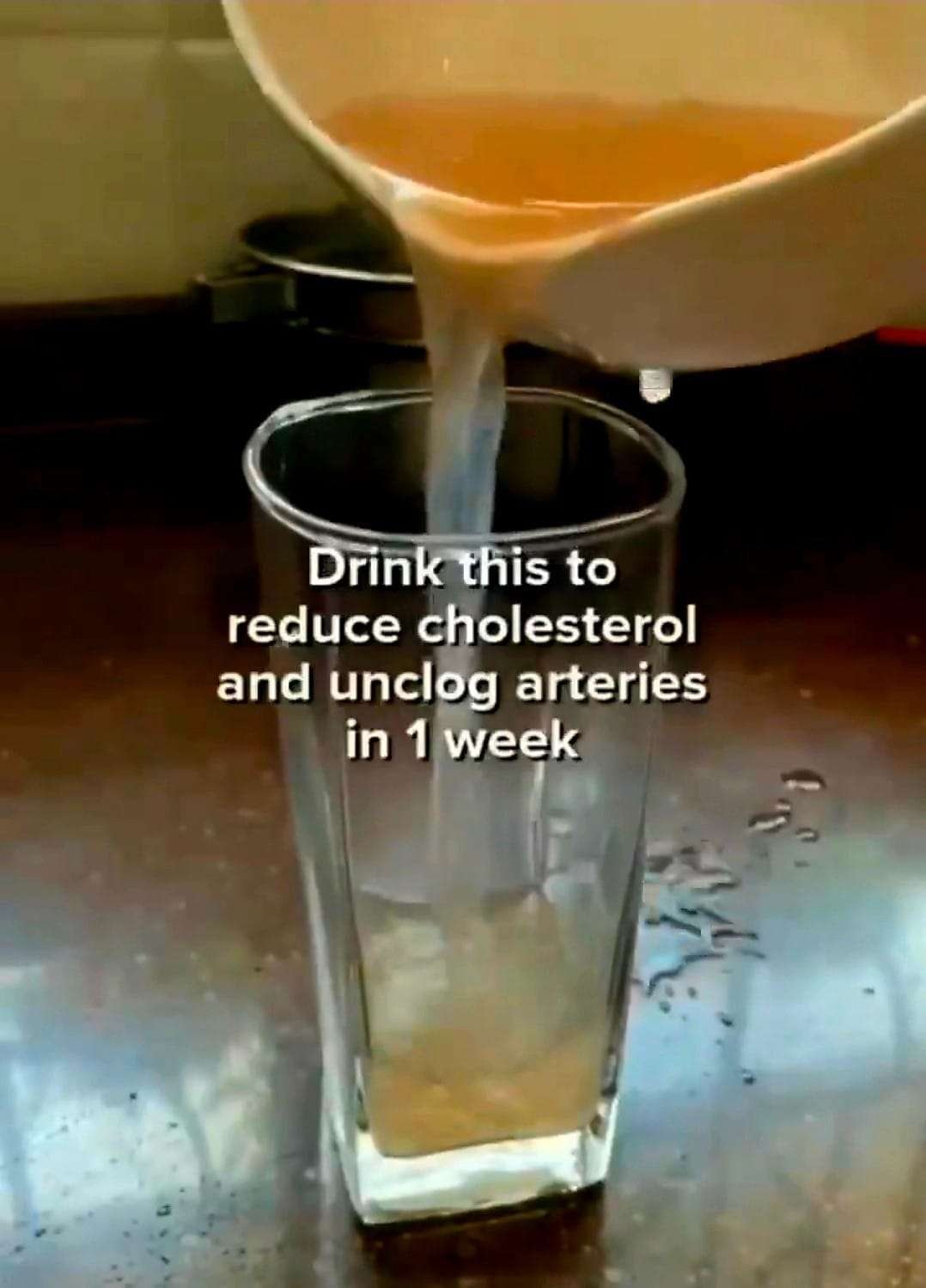
- Arterial plaque cannot be “flushed out” in a week; regression requires long-term medical therapy.
- These drinks support prevention and stabilization of plaque, not instant reversal.
- Always consult a qualified healthcare professional before making changes, especially if you have high cholesterol, hypertension, or heart disease.
🥤 Suggested Morning Routine
- Choose one drink (e.g., pomegranate juice or green tea).
- Drink it on an empty stomach before breakfast.
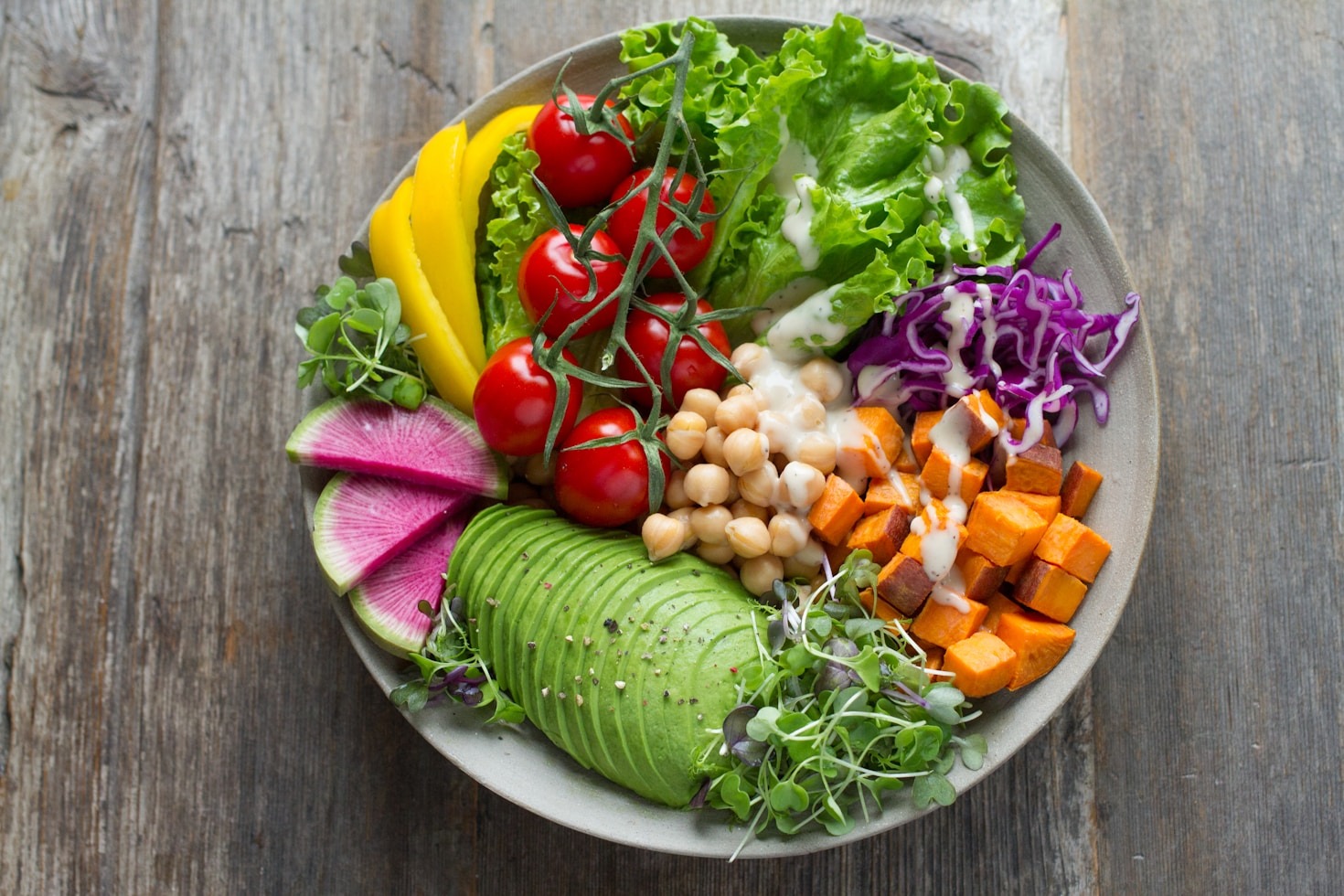
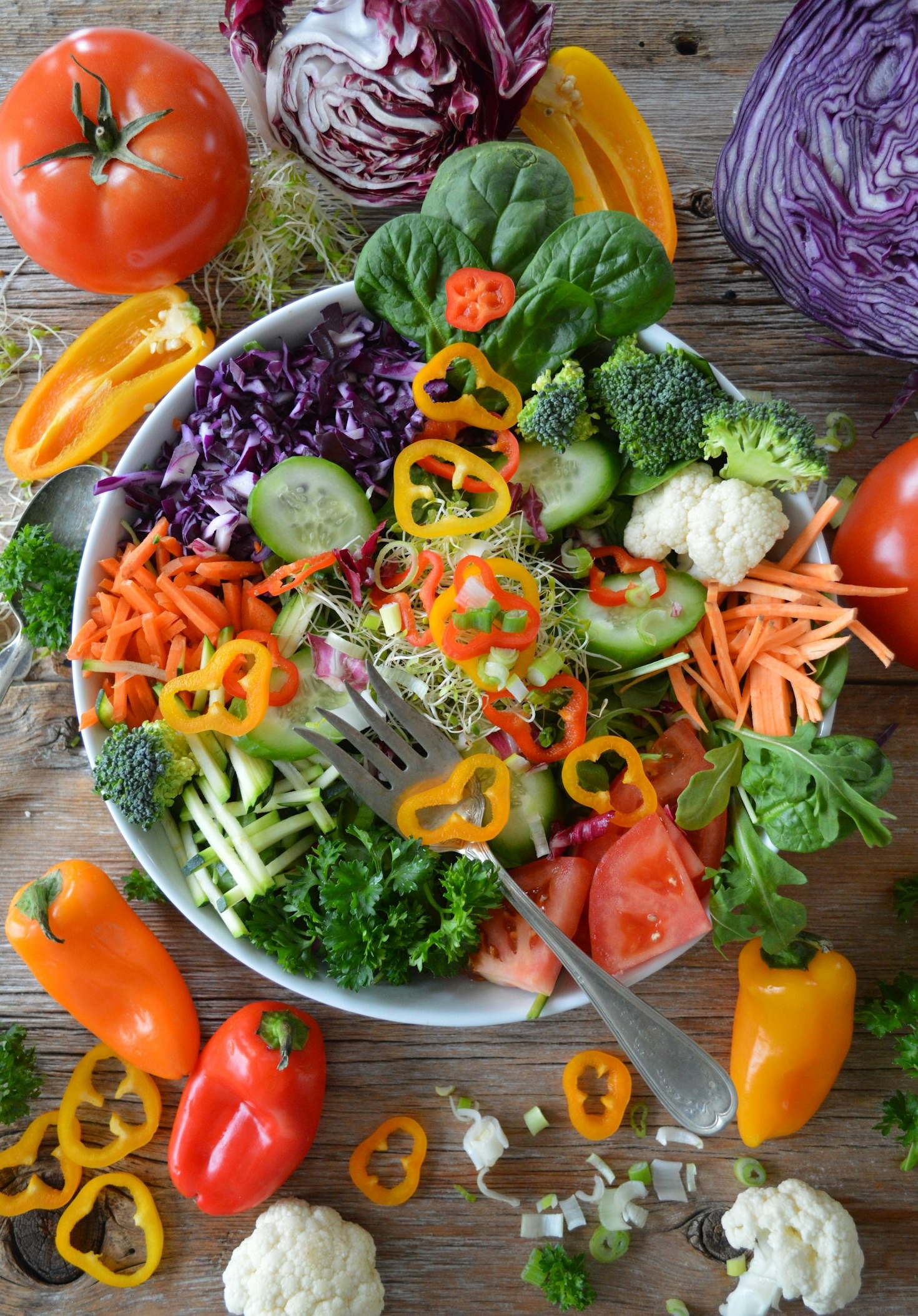
- Pair with a fiber-rich diet (whole grains, vegetables, legumes).
- Avoid smoking, excess alcohol, and high-fat foods.
- Include daily physical activity (30 minutes brisk walking).
🚨 Risks & Limitations
- Sugar content: Fruit juices like pomegranate or orange juice are high in natural sugars; limit intake if diabetic.
- Caffeine: Green tea contains caffeine; avoid excess if sensitive.
- Medical oversight: Attempting to replace prescribed therapy with “detox drinks” can be dangerous.