

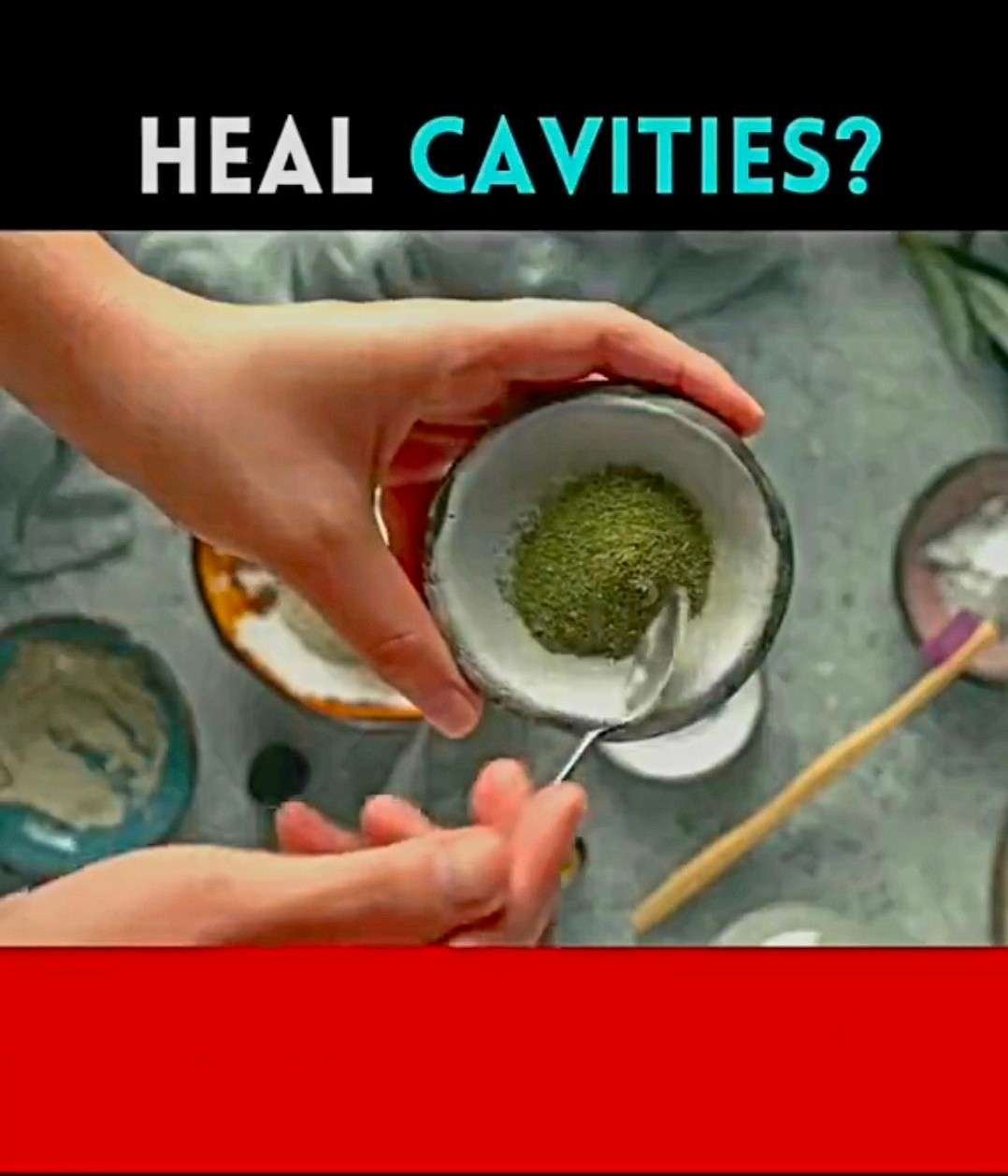
Natural Cavity Prevention: A Safe Guide for Stronger Teeth and Healthy Gums
Cavities develop when bacteria in dental plaque use sugars and starches from food to produce acids that gradually remove minerals from tooth enamel. Good oral hygiene, adequate saliva, a balanced diet, and fluoride are the most reliable ways to reduce the risk of tooth decay.
Many people are interested in natural ingredients such as bentonite clay, calcium carbonate, and cloves. These ingredients may be used in traditional oral-care practices, but they should not be considered a proven treatment for cavities. In particular, acidic ingredients such as lemon should not be applied to teeth because repeated acid exposure can weaken enamel.
Ingredients
For a gentle homemade oral-care paste, you can use:
– 3 tablespoons food-grade bentonite clay
– 1 tablespoon calcium carbonate intended for oral/cosmetic use
– A small amount of finely ground clove, if desired
– Distilled or previously boiled and cooled water, added gradually
Do not add lemon juice or lemon zest to the mixture.
Preparation
1. Place the bentonite clay and calcium carbonate in a clean, dry container.
2. If using clove, add only a small amount rather than several whole cloves.
3. Add water gradually and mix until you obtain a smooth paste.
4. Store the mixture in a clean container and avoid dipping a wet toothbrush directly into it.
5. Because homemade preparations do not contain preservatives, make small batches and discard them if the smell, appearance, or texture changes.
How to Use It
If you choose to use this homemade paste, use it only as an optional supplement to normal oral hygiene, not as a replacement for fluoride toothpaste.
Apply a small amount to the teeth and gently brush for a short period. Avoid aggressive scrubbing because excessive abrasion can contribute to enamel and gum damage.
There is also no established benefit to keeping the mixture on your teeth or gums for 5–10 minutes, or swishing it around the mouth for 10 minutes. A prolonged application is therefore unnecessary.
Afterward, spit out the mixture and rinse your mouth with water.
Why Lemon Should Be Avoided
Lemon is highly acidic. Although it may make a homemade preparation taste fresh, acid can temporarily soften tooth enamel. Frequent exposure can contribute to enamel erosion and increased sensitivity.
For this reason, lemon juice and lemon zest are not recommended as ingredients in a daily tooth-cleaning preparation.
If you consume acidic foods or drinks, rinse your mouth with water afterward and avoid brushing immediately. Waiting around 30 minutes before brushing gives saliva time to help neutralize the acid and allows enamel to reharden.
What About Cloves?
Cloves contain compounds such as eugenol and have a long history of traditional use for oral discomfort. However, concentrated clove products can irritate the mouth and gums.
Using whole crushed cloves directly against the gums for prolonged periods is therefore not recommended. Clove should not be regarded as a cure for tooth decay, infection, or gum disease.
If you experience toothache, swelling, pus, fever, or facial swelling, seek dental care rather than relying on clove or another home remedy.
The Most Important Step: Fluoride
Natural ingredients can be part of an oral-care routine, but fluoride remains one of the best-supported ingredients for preventing tooth decay.
For most adults, brushing twice daily with a fluoride toothpaste is recommended. Fluoride helps teeth resist acid attacks and can support remineralization of early enamel damage.
A homemade clay preparation should therefore not replace fluoride toothpaste if your goal is effective cavity prevention.
Daily Routine for Cavity Prevention
Morning
Brush your teeth for approximately two minutes with fluoride toothpaste.
Use gentle movements and make sure you clean the outer, inner, and chewing surfaces of the teeth.
Spit after brushing. Avoid immediately washing away all of the toothpaste with a large amount of water.
During the Day
After meals, rinse your mouth with plain water.
Limit frequent snacking and repeated exposure to sugary foods and drinks. It is not only the amount of sugar that matters; how frequently your teeth are exposed to fermentable carbohydrates also affects cavity risk.
Sugar-free chewing gum, particularly gum containing xylitol, can stimulate saliva after meals and may be useful as an additional measure.
At Night
Clean between your teeth with dental floss or an interdental brush.
Then brush for two minutes with fluoride toothpaste.
Night-time brushing is particularly important because saliva production decreases during sleep, reducing the mouth’s natural ability to neutralize acids.
Foods and Habits That Help Protect Teeth
A tooth-friendly diet should emphasize:
– Water as the main drink
– Vegetables and whole foods
– Calcium-rich foods such as dairy products or suitable alternatives
– Adequate protein and overall nutrition
– Fewer sugary snacks and drinks
– Fewer acidic drinks
– Regular meals rather than constant grazing
Drinking water throughout the day also helps maintain saliva flow and wash away food particles.
What Not to Put on Your Teeth
Avoid regularly applying:
– Lemon juice
– Undiluted vinegar
– Concentrated essential oils
– Undiluted clove oil
– Abrasive powders used aggressively
– Strong acidic mixtures
“Natural” does not automatically mean harmless. Tooth enamel does not grow back once it has been significantly lost, so protecting it from acid and excessive abrasion is important.
Can This Remedy Cure a Cavity?
No homemade paste has been established as a way to repair an established cavity.
Very early tooth decay, before a physical hole develops, can sometimes be arrested or remineralized with appropriate preventive care, particularly fluoride and improved plaque control.
Once a cavity has progressed into a hole in the tooth, professional dental treatment may be necessary.
When to See a Dentist
Arrange a dental examination if you notice:
– A visible hole or dark spot in a tooth
– Persistent tooth sensitivity
– Pain when eating or drinking
– Spontaneous toothache
– Bleeding or swollen gums
– Bad breath that persists despite cleaning
– A broken or chipped tooth
– Facial or jaw swelling
Urgent dental attention is especially important for facial swelling, fever, difficulty swallowing, or difficulty breathing.
Conclusion
Bentonite clay, calcium carbonate, and small amounts of clove can be used as ingredients in some homemade oral-care preparations, but there is not good evidence that this combination prevents or cures cavities. The original recipe should also be modified by removing lemon, because repeated acid exposure can damage enamel.
For genuine cavity prevention, the strongest routine is simple: brush twice daily with fluoride toothpaste, clean between the teeth daily, limit frequent sugar exposure, drink water, and have regular dental examinations.
A natural approach can complement good oral hygiene, but it should not replace proven cavity-prevention measures or professional dental treatment when disease is already present.If you want, I can also turn this into a more attractive blog-style article with a catchy title, introduction, benefits, recipe, precautions, FAQs, and a social-media-ready conclusion.