

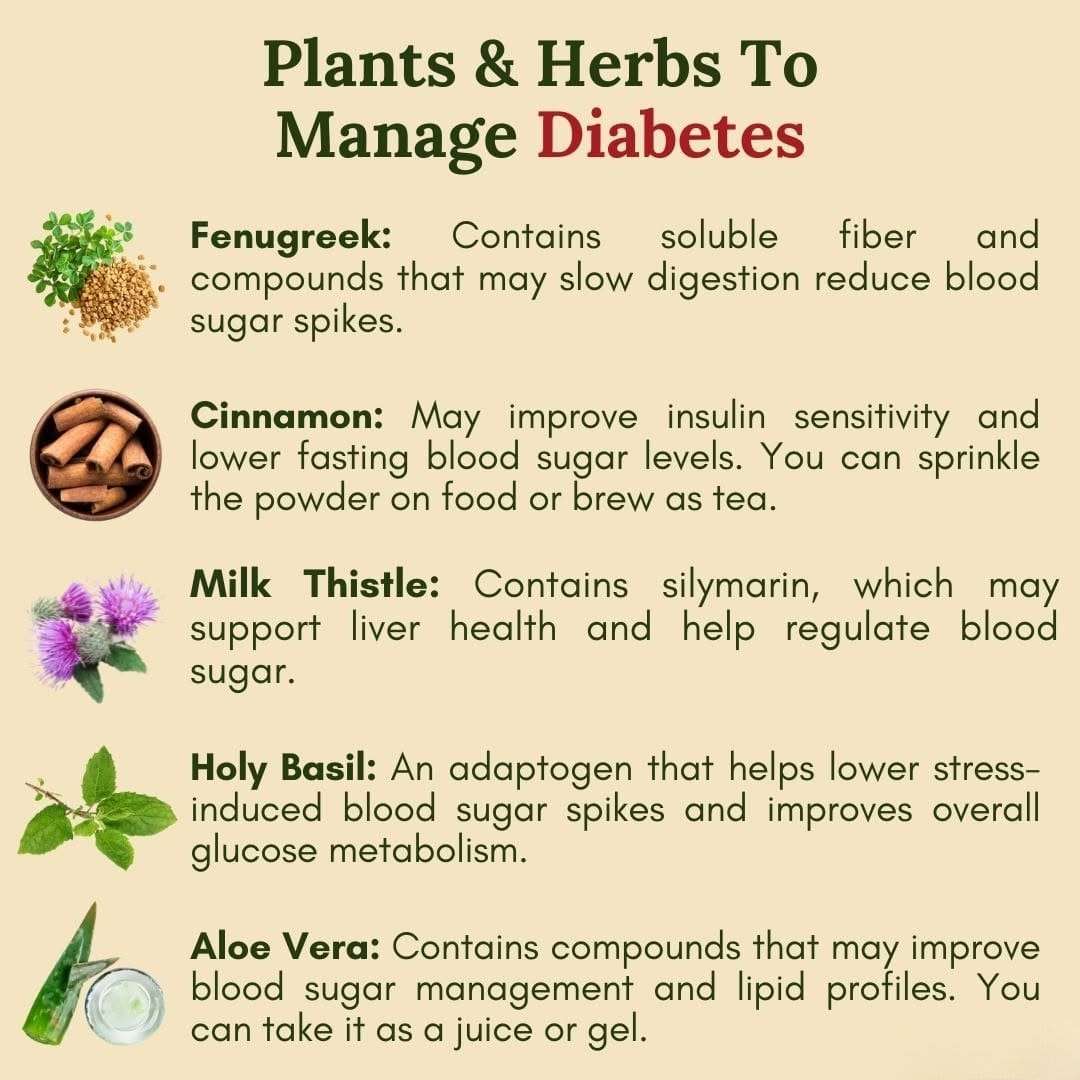
Natural ways to manage diabetes focus on lifestyle and diet changes that improve blood sugar control, such as regular exercise, fiber‑rich foods, portion management, stress reduction, and better sleep. These strategies can complement medical treatment but should never replace professional care.
🥗 Nutrition Strategies
- Eat carbohydrates last: Consuming vegetables and protein before carbs can reduce post‑meal blood sugar spikes.
- Choose whole grains: Brown rice, quinoa, oats, and barley improve glucose control compared to refined carbs.
- Increase soluble fiber: Beans, lentils, peas, apples, and avocados slow digestion and help stabilize blood sugar.
- Low glycemic foods: Opt for foods that release sugar slowly, such as sweet potatoes, legumes, and non‑starchy vegetables.
- Stay hydrated: Drinking water helps the kidneys flush excess glucose.
🏃 Physical Activity
- Walking after meals: A 10–15 minute walk can lower post‑meal glucose levels.
- Resistance training: Strength exercises improve insulin sensitivity and reduce spikes.
- Exercise snacks: Short bursts of movement every 30 minutes help counteract prolonged sitting.
🧘 Lifestyle & Habits
- Intermittent fasting: Eating within an 8‑hour window or having smaller, earlier dinners may improve glucose regulation.
- Stress management: Meditation, breathing exercises, or yoga reduce cortisol, which otherwise raises blood sugar.
- Sleep hygiene: Poor sleep increases insulin resistance; aim for 7–9 hours nightly.
- Weight management: Maintaining a healthy weight improves insulin sensitivity and reduces complications.
🌿 Supportive Foods & Nutrients
- Probiotics: Yogurt, kefir, and fermented foods may support gut health and glucose control.
- Magnesium & chromium: Found in nuts, seeds, and leafy greens, these minerals help regulate insulin function.
- Pulses: Chickpeas, lentils, and beans combine protein and fiber for steady blood sugar.
⚠️ Important Disclaimer
This article is for educational purposes only. Natural methods can support diabetes management but are not substitutes for medical treatment. Always consult a qualified healthcare professional before making significant dietary or lifestyle changes, especially if you take medication or have chronic conditions.